Tree Service in Troy, NY
Local Tree Service Expertise
In historic downtown Troy and surrounding neighborhoods, professional tree service near Lansingburgh ensures your properties—from century-old federal townhouses to Victorian brownstones—stay safe, healthy, and beautiful. This page covers everything you need to know about arborist services in Troy, NY, including tree removal, trimming, pruning, emergency care, and specialized techniques for Troy's unique landscape.
Troy's tree canopy faces challenges from storm exposure along the Hudson River, root pressure in tight historic blocks near Washington Park, and the dense street grid common to neighborhoods like The Hill and South Central. Professional arborists understand these conditions and work within local permits and historic district guidelines.
How We Work
From assessment through cleanup, a structured process keeps your trees and property protected.
Site Assessment
We inspect your tree's health, proximity to structures, and site conditions. This includes checking for disease, pest damage, and structural concerns.
Permit & Planning
For historic district work in downtown or South Central Troy, we navigate municipal approvals. We document the plan and discuss logistics with you.
Perform Service
Our certified arborists execute the work—removal, trimming, pruning, or planting—with safety protocols and respect for surrounding property.
Cleanup & Follow-Up
We remove all debris, chips, and waste. If stump grinding or planting is needed, we finish the job and discuss ongoing care.
You'll always know what's happening next—and when.
Our Services
We handle all arboricultural needs, from routine maintenance to emergency response.
Tree Removal
Diseased, dead, or hazardous trees need safe removal. Common in historic Troy where mature oaks and maples near buildings pose risks. We use bucket trucks and rigging to protect adjacent properties.
- View clearing around historic structures
- Storm damage cleanup throughout Lansingburgh
- Root removal to prevent foundation damage
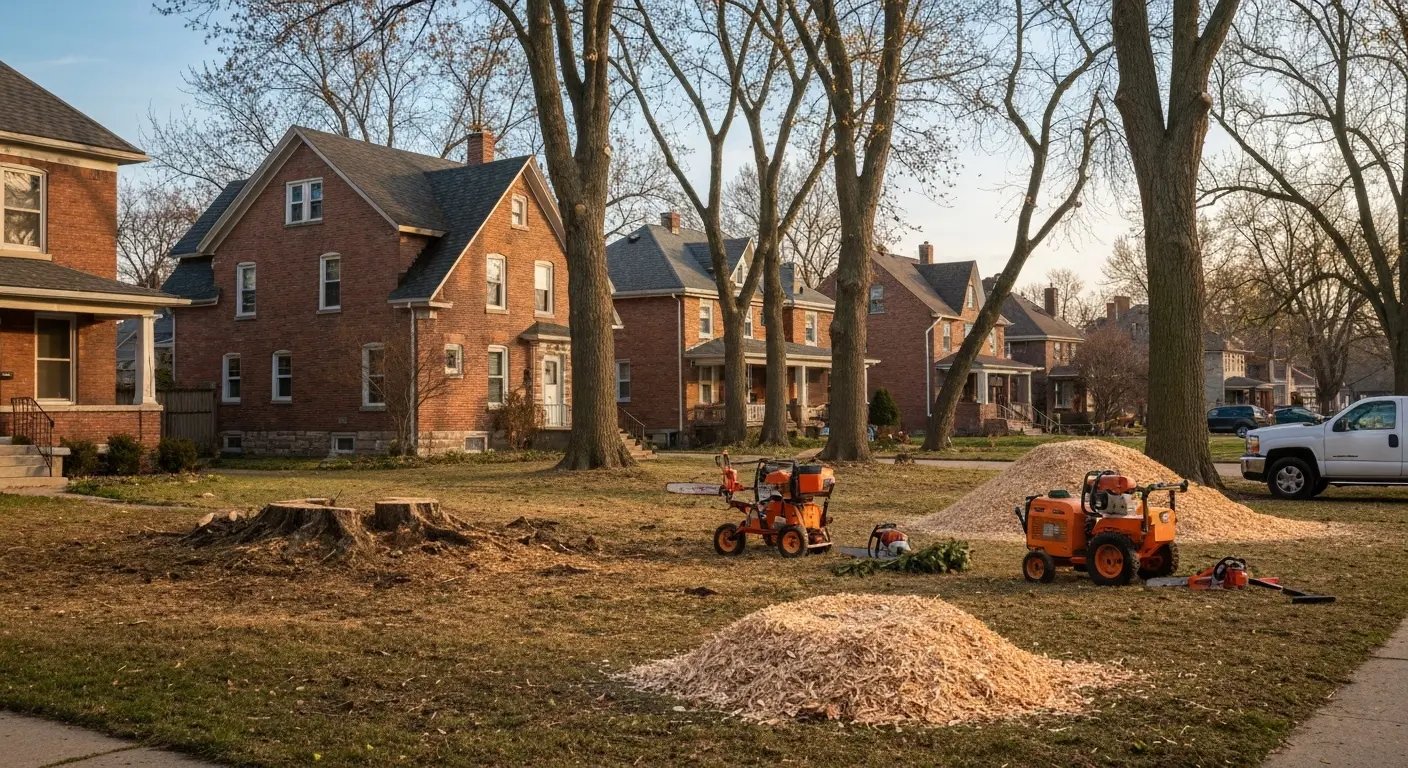
Safe removal near downtown Troy's tree-lined blocks.
Tree Trimming & Pruning
Regular trimming maintains tree health and improves sightlines on tight historic streets. Pruning techniques reduce disease risk and promote strong growth in harsh Hudson River climate.
- Crown thinning for better light penetration
- Branch removal away from power lines
- Deadwood pruning for safety in Washington Park area
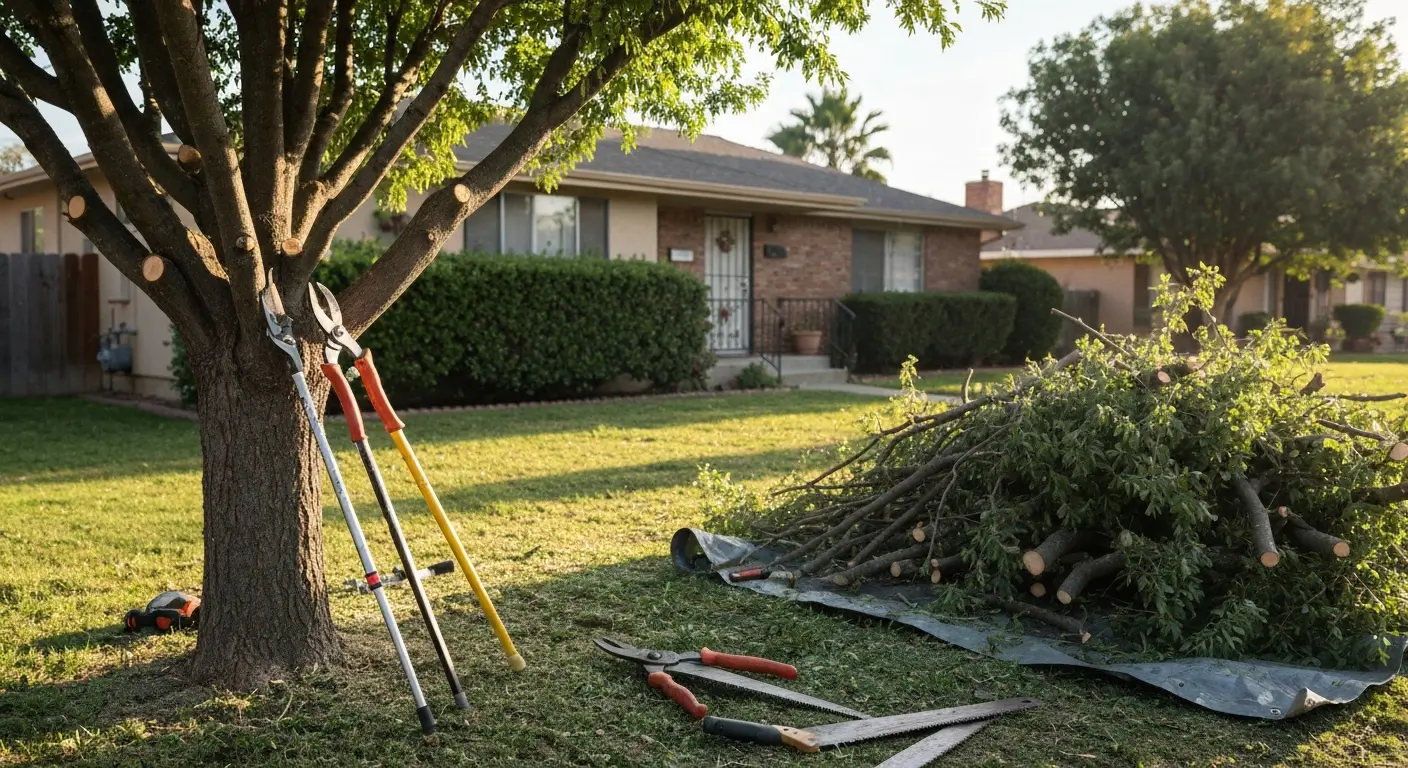
Precision pruning maintains tree vitality in South Central neighborhoods.
Tree Planting & Establishment
New plantings enhance curb appeal and restore mature canopy loss. We select species suited to Troy's soil and climate, and provide establishment care for first-year roots.
- Native species suited to Hudson Valley conditions
- Spacing and siting for historic streetscapes
- Mulching and establishment watering protocols
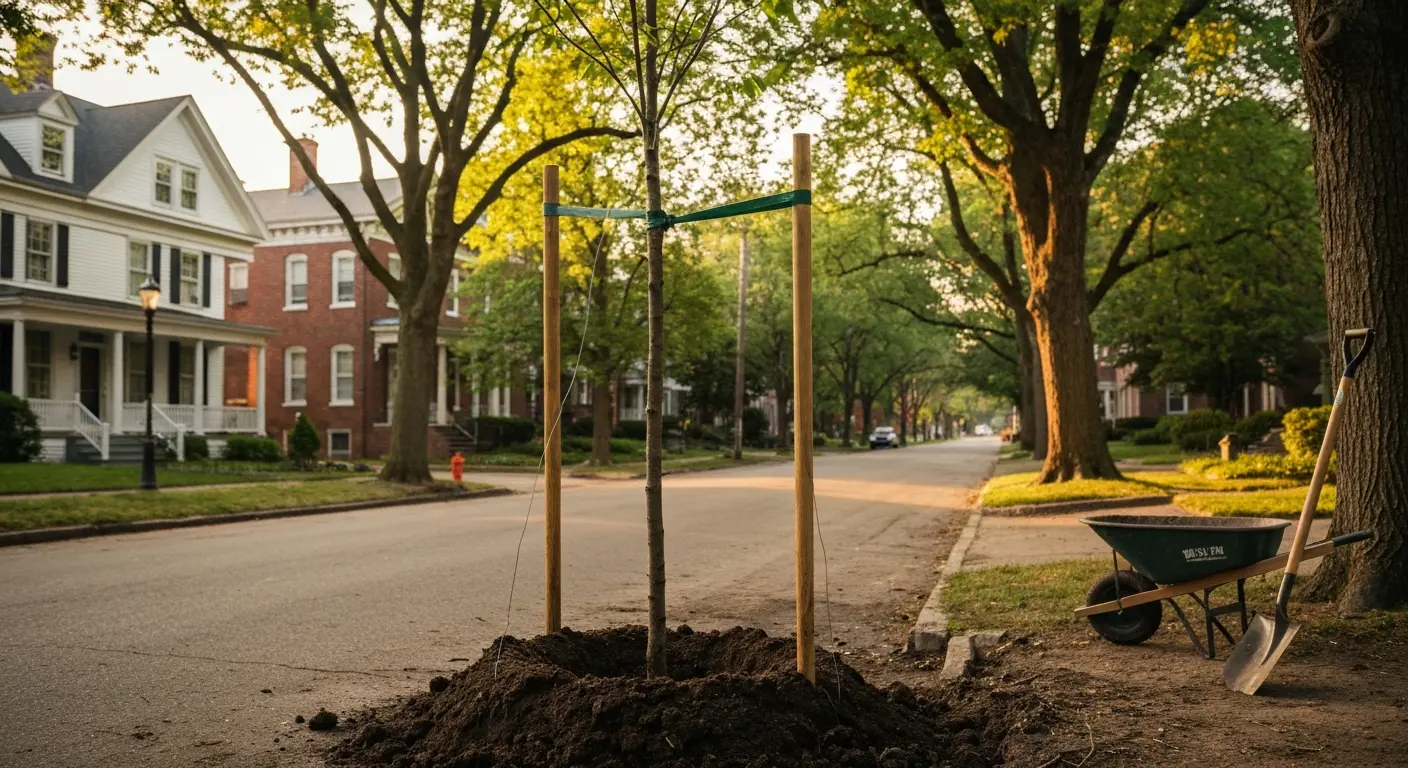
New plantings restore Troy's tree canopy along Federal and Greek Revival streets.
Bracing & Cabling
Mature trees with split crotches or lean can be stabilized without removal. Especially valuable for heritage trees in Lansingburgh and near Oakwood Cemetery's historic landscape.
- Cable systems for co-dominant stems
- Preservation of specimen trees and heirlooms
- Professional inspection and long-term monitoring
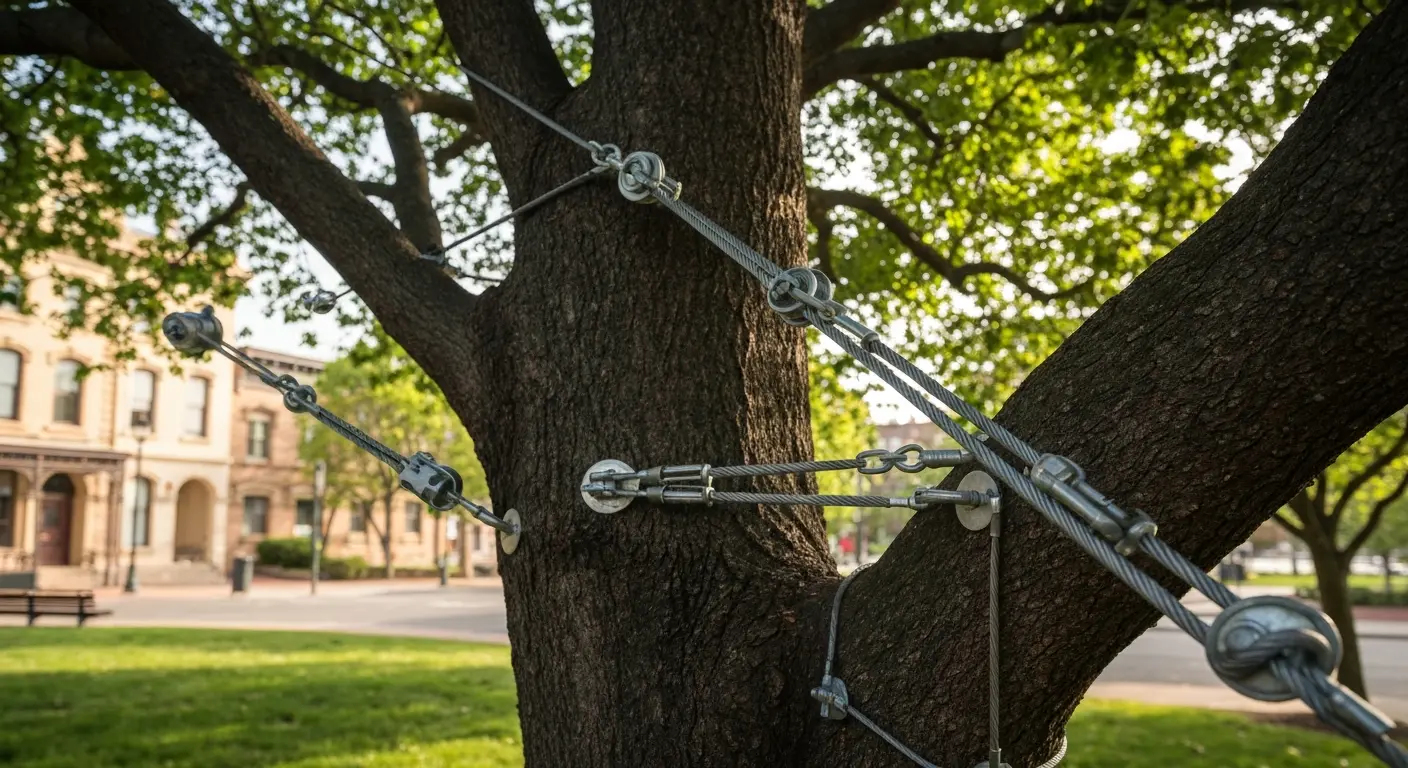
Bracing extends life of heritage trees in The Hill and downtown districts.
Emergency Tree Services
After storms, fallen trees create hazards and block streets. We respond to urgent situations throughout Troy, removing debris and restoring safety to your yard and neighborhood.
- Storm damage assessment and removal
- Hazard tree mitigation before failure
- 24/7 availability for urgent calls
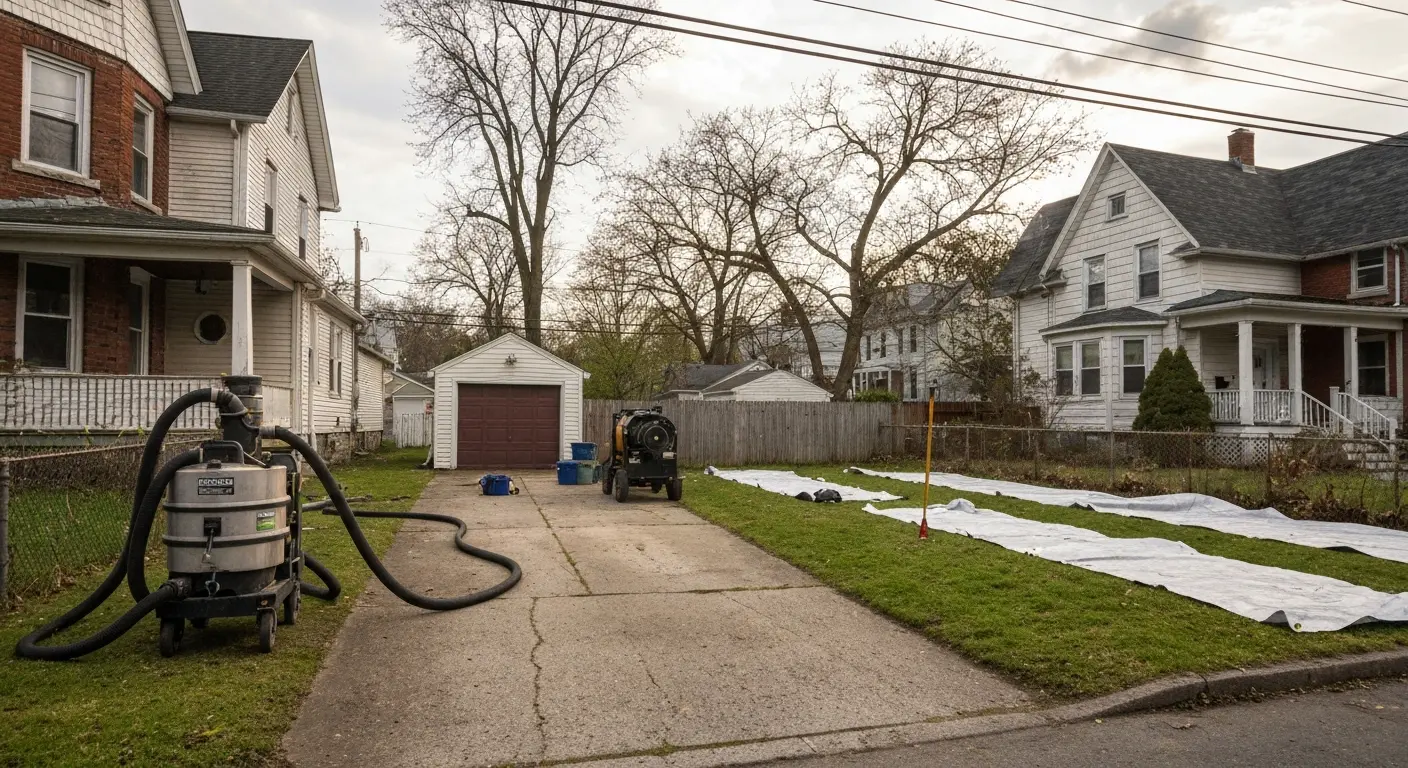
Rapid response to storm damage in South Troy and surrounding neighborhoods.
Why Tree Service Matters in Troy
Historic District Compliance
Troy's Central Historic District protects 679 properties and sets standards for exterior work. Tree services in downtown, South Central, and near Washington Park may need historic review approval. We navigate these requirements to avoid delays.
Property owners in historic zones should file work notices with the City of Troy Historic District & Landmarks Review Commission to ensure approval before any tree service begins.
Hudson River Climate & Tree Health
Trees near the Hudson River face wind exposure, variable soil moisture, and seasonal extremes. Oak, maple, and cherry species common in Lansingburgh need proactive care to prevent disease and structural failure. Professional pruning and inspection reduce risk.
Urban Root Stress
Tight historic blocks with narrow pavements—common in Federal-era neighborhoods near Prospect Park—force tree roots under pavement. Maintenance pruning and proper planting prevent roots from lifting sidewalks or damaging foundations in aging rowhouses.
Serving Troy & Surrounding Areas
We serve all of Troy, NY, including downtown's federal and Greek Revival streetscapes, The Hill and RPI campus neighborhoods, South Central near Troy High School, Lansingburgh (North Troy) with its traditional homes and long-standing tree canopy, Eastside Troy's suburban blocks, and areas near Frear Park and Oakwood Cemetery.
Key Neighborhoods & Landmarks
- Downtown / Central Historic District: Federal townhouses, commercial blocks, and Washington Park's private green space
- Lansingburgh: The Hill, Prospect Park, and tree-lined residential streets north of Division
- South Central: Victorian and Colonial Revival homes near shopping and local parks
- Frear Park Area: 247-acre recreational space with diverse tree species and trails
- Oakwood Cemetery: Historic 280-acre grounds with mature specimens and landscape preservation needs
Parking & Access in Historic Areas
Downtown parking is metered or permit-based. We plan for truck placement and street permits when working near Second Street, Congress, or River Street. Alley access and off-street lot coordination ensures minimal disruption to pedestrian traffic and neighboring businesses.
Featured: What Makes a Healthy Tree in Troy?
Signs Your Tree Needs Professional Care
Watch for dead branches, visible pest galleries, lopsided crowns, or bark damage. Weak branch attachments (V-crotches) and lean toward buildings or power lines require immediate assessment.
- Check for cavities, hollow sections, or fungal fruiting bodies on trunk and major limbs
- Note if the crown is sparse, thin, or unbalanced—signs of stress or disease
- Measure clearance from house, power lines, and sidewalk—tight spaces often need proactive pruning
- Inspect roots for girdling, surface heaving, or soil compaction from foot traffic
- Get a free assessment if you notice any of these conditions
A certified arborist can pinpoint problems and recommend the best care path forward.
Frequently Asked Questions
Do I need a permit for tree work in historic downtown Troy?
Yes. Work in the Central Historic District and other designated zones requires review and approval from the City of Troy Historic District & Landmarks Review Commission before starting. We help manage this process and file required notices with the city.
What tree species grow best in Troy?
Oak, maple, cherry, and ash are common in the area. We recommend native species suited to the Hudson Valley climate, well-drained soils, and wind exposure. Choice depends on light, space, and your goals. Ask during a free assessment.
How often should trees be trimmed?
Most mature trees benefit from pruning every 3–5 years to remove dead wood, shape crowns, and reduce disease risk. Trees near power lines or in confined spaces may need more frequent attention. We'll recommend a schedule based on your tree's condition.
What happens to the stump after removal?
We offer stump grinding to remove the entire stump and root ball, or leave it for later removal. Grinding clears the space for replanting or landscaping. Let us know your preference during the initial assessment.
Can I save a tree that's leaning or split?
Often, yes. Cabling, bracing, and pruning can stabilize trees with structural issues. If a tree is too far gone or poses an imminent hazard, removal is safer. We assess each case individually and discuss all options.
Are you available for emergency tree removal?
Yes. We respond to storm damage and urgent hazards in Troy. Call for immediate assistance if a tree has fallen, split, or threatens a structure or power line.
DISCOVER WHAT OUR CUSTOMERS HAVE TO SAY ABOUT US
REVIEWS
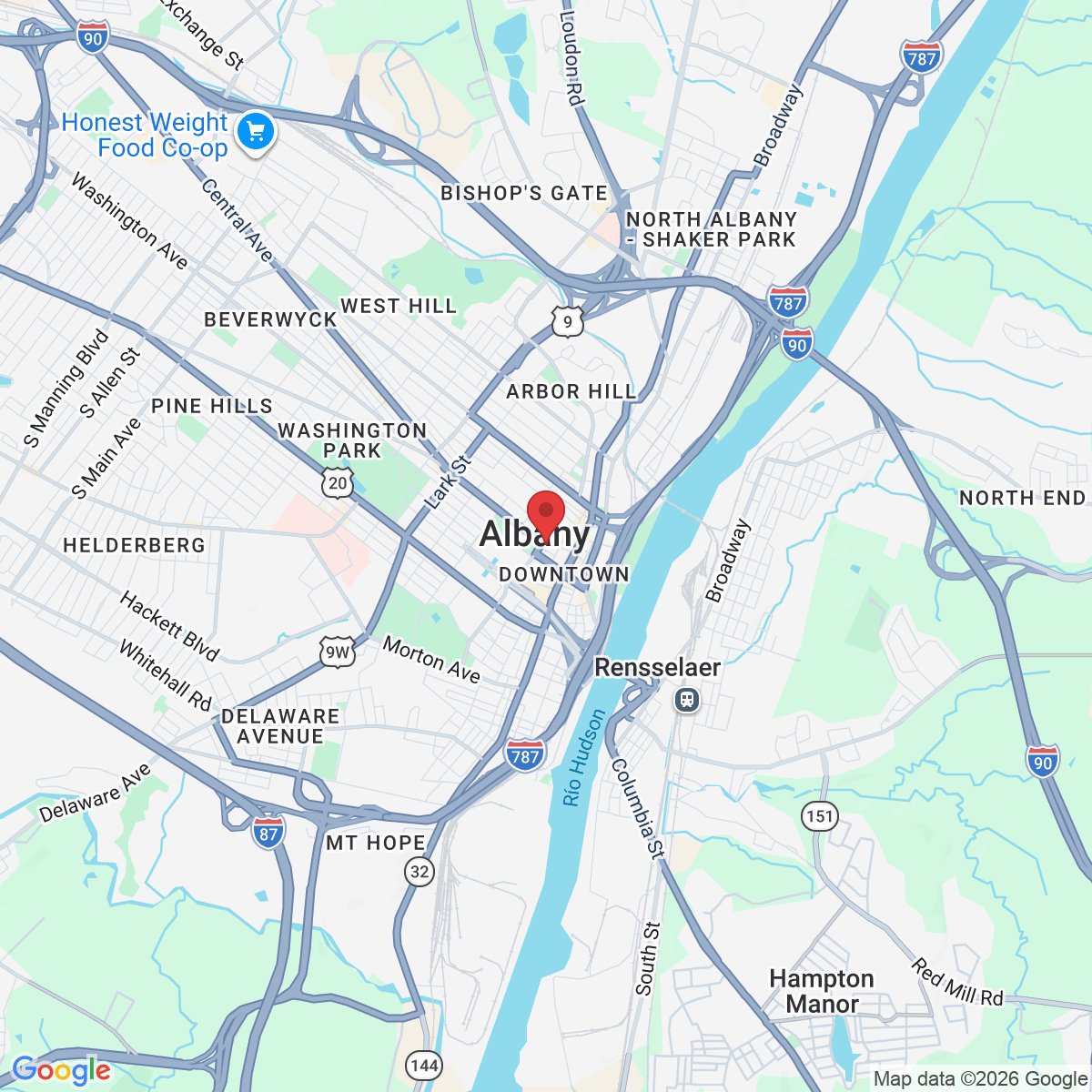
proudly serving these areas
Albany, NY
Schenectady, NY
Delmar, NY
Slingerlands, NY
Troy, NY
Ravena, NY
Coxackie, NY
Catskill, NY
READY TO take the next step?
get a free quote TODAY!
QUICK LINKS
our services
service areas
operating HOURS
Mon: 7:00 am - 7:00 pm
Tue: 7:00 am - 7:00 pm
Wed: 7:00 am - 7:00 pm
Thu: 7:00 am - 7:00 pm
Fri: 7:00 am - 7:00 pm
Sat: 7:00 am - 7:00 pm
Sun: 7:00 am - 7:00 pm